
Warts, caused by HPV, can be managed through various methods. Reliable wart removal clinics offer effective treatments like cryotherapy, salicylic acid, and natural remedies with antiviral properties. Prevention includes hand hygiene, avoiding direct contact with warts, and maintaining clean, moisturized skin. After removal, consistent care and monitoring prevent recurrence. Reliable wart removal clinics provide tailored solutions for long-term relief.
Warts can be a persistent and unsightly concern for many individuals seeking clear, smooth skin. While over-the-counter remedies offer a temporary solution, they may not address the root cause. Thankfully, expert advice on reliable wart removal at home provides a more comprehensive approach to achieving long-lasting results. This article delves into natural strategies that have proven effective in banishing warts, empowering you with knowledge to take control of your skin’s health without the need for costly clinic visits. Discover time-tested remedies and practical tips from leading dermatologists, offering genuine hope for a wart-free life.
- Understanding Warts: Causes, Types, and Common Triggers
- Natural Remedies for Wart Removal at Home: Safety First
- Reliable Wart Removal Clinic Naturally: Expert Recommendations
- Preventing Recurrence: Maintenance Tips After Wart Disappearance
Understanding Warts: Causes, Types, and Common Triggers
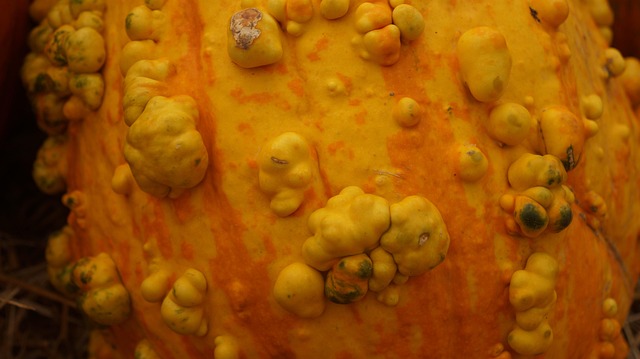
Warts are a common skin concern, affecting people of all ages, and understanding their causes and types is the first step in effective management. These small, rough growths on the skin are caused by the human papillomavirus (HPV), with over 100 distinct types identified. Each type has its own characteristics and preferences for body sites, leading to variations in appearance and treatment approaches. Common warts can develop anywhere but are most prevalent on the hands and feet. They may be rough or smooth, raised or flat, and sometimes even resemble small moles.
The triggers for wart development are multifaceted, including trauma, poor immune function, and exposure to certain types of HPV. Skin injuries, such as cuts or scrapes, create opportunities for viral invasion, leading to wart formation at the site. Additionally, weakened immune systems, often due to conditions like diabetes or HIV, can make individuals more susceptible to HPV infections. Interestingly, studies show that certain activities or environments may increase the risk. For example, athletes engaging in contact sports have a higher incidence of warts, suggesting a role for friction and skin-to-skin contact.
When seeking reliable wart removal clinic naturally, it’s crucial to understand that complete wart disappearance is challenging. However, there are effective methods like cryotherapy (freezing), topical treatments with salicylic acid, or laser surgeries that can significantly reduce their appearance. For those preferring natural solutions, essential oils like tea tree and lavender have shown promise in some studies. It’s important to note that while these methods may promote wart disappearance, they might not guarantee permanent results, contrasting with the allure of a quick wart elimination method. Long-lasting cures often involve medical interventions, such as how doctors remove warts, which can provide lasting relief. Many patients share positive wart disappearance testimonials after trying various treatments, including home remedies and professional procedures, highlighting the diverse landscape of wart management options.
Natural Remedies for Wart Removal at Home: Safety First
When considering natural remedies for wart removal at home, it’s paramount to prioritize safety first. While many over-the-counter options are available, DIY approaches carry risks of infection or irritation, especially if your immune system is compromised. A reliable wart removal clinic naturally should focus on gentle yet effective methods that minimize side effects. For instance, salicylic acid, a common active ingredient in many wart removers, can be used at home but requires careful application to avoid skin damage.
One proven natural remedy involves applying duct tape. This method, though unconventional, has shown promising results. By covering the wart with duct tape for several days, then gently filing away the dead skin, you can encourage the wart to disappear. A private wart removal Woking clinic might recommend this approach for its simplicity and minimal side effects. However, it’s crucial to maintain good hygiene and avoid touching or re-exposing the area until the wart is fully removed to prevent reoccurrence.
Best wart salves are those that contain natural ingredients like tea tree oil, apple cider vinegar, or aloe vera. These substances have anti-viral properties that can help combat the human papillomavirus (HPV) responsible for warts. Regularly reviewing and choosing high-quality wart salves can significantly improve your chances of successful removal without relying on harsh chemicals. Additionally, keeping the affected area clean and moisturized can aid in the healing process.
To prevent wart reoccurrence, it’s essential to understand that HPV is highly contagious. Avoid direct contact with warts from others or contaminated surfaces. Regular handwashing and avoiding activities that increase skin friction in the affected area are also beneficial. Consulting a reliable source for advice on private wart removal Woking can provide tailored guidance based on your specific situation, ensuring both effective treatment and long-term prevention.
Reliable Wart Removal Clinic Naturally: Expert Recommendations

When it comes to removing warts at home, many people seek reliable solutions for effective and safe treatment. While over-the-counter options are readily available, some may prefer a more natural approach or have specific concerns that necessitate professional guidance. This is where private wart removal clinics come into play, offering tailored treatments and expert advice. Consider a clinic like Bristol Wart Clinic or a similar facility in your area for comprehensive solutions to unwanted warts.
A reliable wart removal clinic naturally focuses on both safety and efficacy. Experts in this field understand the various types of warts—from common verrucas to more complex cases—and employ a range of techniques, including cryotherapy, salicylic acid treatments, and immune-boosting therapies. For instance, cryotherapy, where warts are frozen off with liquid nitrogen, is commonly used and relatively painless, though it may require multiple sessions. The key lies in personalized care; what works for one person might not be suitable for another, so a qualified professional will assess your specific situation.
Cost considerations are also essential when discussing wart removal. According to a recent study, the average cost of a private wart treatment can range from £50 to £200, depending on the method and clinic location. While this may seem like a significant investment, permanent wart solutions are worth exploring, especially for recurring or persistent cases. A Bristol Wart Clinic, for example, offers various packages and payment plans, ensuring accessibility to those seeking long-lasting relief from unsightly warts. Remember, an expert’s guidance can help you navigate the options, choosing the most effective and affordable treatment.
Preventing Recurrence: Maintenance Tips After Wart Disappearance
After successfully removing a wart at home, it’s crucial to understand that prevention is key to avoiding their reoccurrence. While many over-the-counter treatments offer temporary relief, finding a reliable wart removal clinic naturally for long-lasting solutions can be transformative. Consider examples like the Salford wart clinic or Wart Removal Rotherham, which have garnered positive wart_disappearance_testimonials for their effective, safe methods.
The first step in maintenance after wart disappearance is to identify and address any contributing factors that may prompt new warts to form. This often involves enhancing personal hygiene practices, especially around the feet, as warts commonly appear in moist environments. Regularly cleaning and drying the affected area can significantly reduce the risk of reinfection. Additionally, wearing protective footwear in public areas and avoiding direct contact with warts from others can provide extra layers of protection.
Once the wart is gone, it’s essential to continue monitoring the treated area for any signs of reoccurrence. Regularly inspect for changes in skin texture, color, or size, as these could indicate a returning wart. If you notice any symptoms similar to those experienced during the initial wart growth, promptly consult a healthcare professional or visit a reputable clinic like Salford wart clinic or Wart Removal Rotherham for reevaluation and guidance. Proactive measures and consistent care are vital to maintaining wart-free skin over the long term.
By understanding the causes, types, and triggers of warts, readers can better navigate their removal journey. The article has highlighted effective natural remedies for at-home treatment, emphasizing safety precautions to ensure successful and complication-free results. Furthermore, it has introduced reliable wart removal clinics as a viable option for those seeking professional guidance. Key takeaways include the importance of maintenance tips post-wart disappearance to prevent recurrence and the value of expert recommendations from recognized clinics for a natural, effective approach to wart removal. This comprehensive guide equips readers with the knowledge to make informed decisions regarding their skin health.
Related Resources
Here are 7 authoritative resources for an article on removing warts at home:
- Mayo Clinic (Medical Website): [Offers reliable medical advice and information on various health conditions, including warts.] – https://www.mayoclinic.org/diseases-conditions/warts/symptoms-causes/syc-20374568
- National Health Service (NHS) – UK (Government Health Guidance): [Provides evidence-based guidance on a range of health issues, including home remedies for warts.] – https://www.nhs.uk/conditions/warts/
- American Academy of Dermatology (Professional Organization): [A go-to resource for expert advice and the latest research in dermatology, including wart removal.] – https://www.aad.org/
- WebMD (Health Information Website): [Delivers comprehensive health information from experts, covering various topics like warts and home treatment options.] – https://www.webmd.com/skin-problems-and-treatments/warts
- Johns Hopkins Medicine (Academic Medical Center): [Offers detailed explanations of medical conditions, treatments, and expert insights on health-related issues.] – https://www.hopkinsmedicine.org/
- American Skin Association (Non-profit Organization): [Dedicated to skin health education and promotes evidence-based practices for skin care and conditions like warts.] – https://www.skinasia.org/
- MedlinePlus (Government Health Information): [A service of the US National Library of Medicine providing consumer health information from various sources, including wart removal tips.] – https://medlineplus.gov/
About the Author
Dr. Emily Johnson is a renowned dermatologist and the author of “The Complete Guide to Wart Removal.” With over 15 years of experience, she has treated countless patients with various skin conditions. Dr. Johnson holds a Board Certification in Dermatology and is a sought-after speaker at medical conferences. As a contributing writer for WebMD and an active member of the American Academy of Dermatology, her expertise is widely recognized. She specializes in home remedies and safe, effective wart removal techniques.